Inverted

“He’s married,” my friend hissed as she dragged me off the dance floor.
She was right about that. It was everything else she had wrong.
That afternoon, I had spent ten minutes hanging upside down from a bungee swing while everyone scrambled to get me free.
It was meant to be a triumphant team building moment — the kind where everyone cheers, the harness snaps open, and you bounce back up grinning. Instead, my body kept swinging, inverted, waiting for someone to notice the safety line still clipped to my waist.
I strained every muscle in my body trying to right myself.
Blood rushed to my head, the sky went sideways, and the world took on that strange, humming pressure you feel just before fainting.
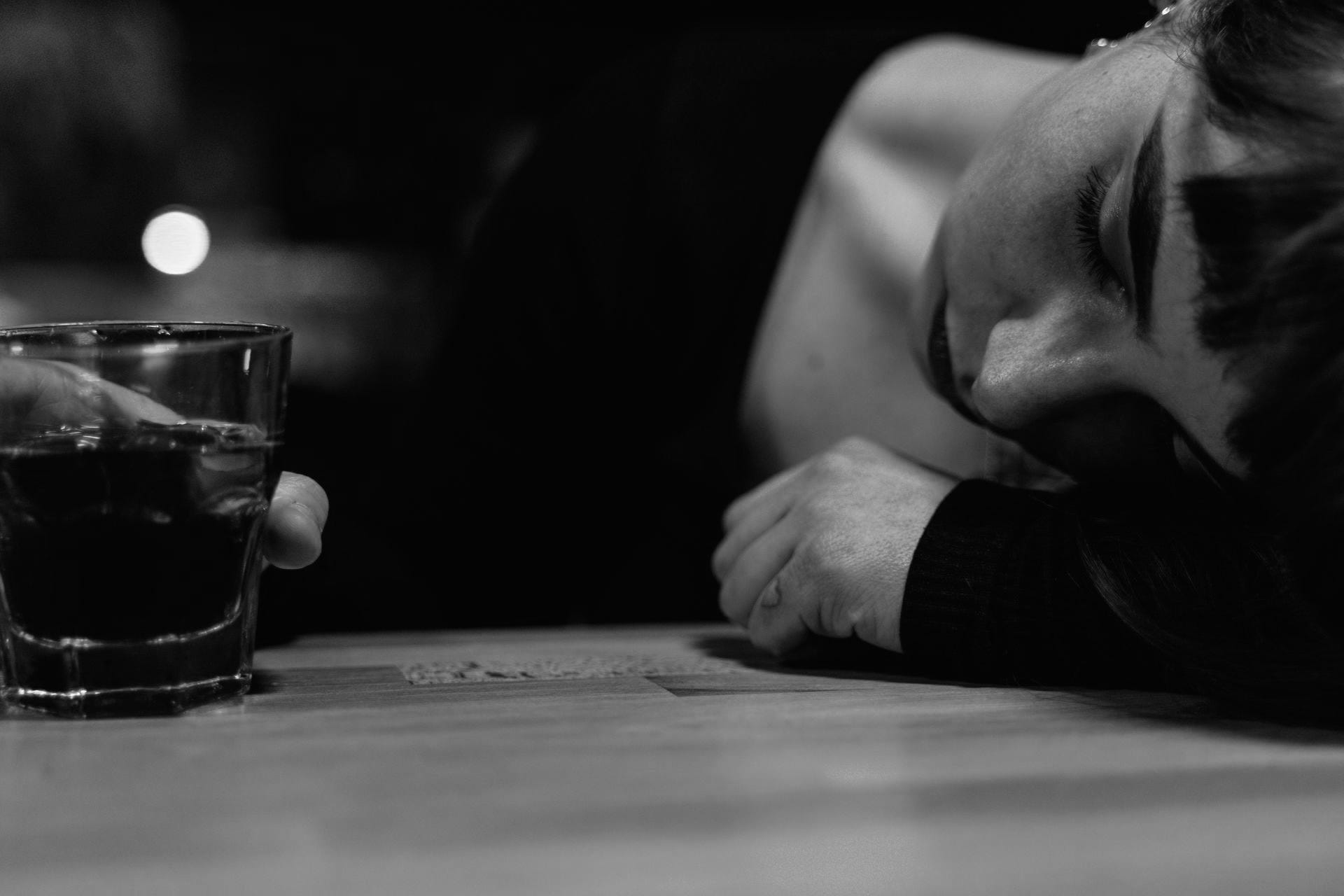
Someone eventually cut the line. I remember the sigh of the rope, the jolt of gravity returning, the taste of metal in my mouth. And then, because drinking was the unofficial theme of the week away, I did what everyone did that night: I got drunk.
What followed was the most predictable part of the entire event, though I didn’t know that at the time.
A married colleague tugged me onto the dance floor.
I was trying to stay upright by holding onto whatever was nearest, and unfortunately, that was him. He leaned in first, cooing into my ear how “worried” he’d felt watching me stuck midair — then whispered how special I was, his arms snaking tighter around my waist.
Concern, spoken in the tone men use when they’ve already decided what comes next.
I remember swaying. I remember his hands steadying me in a way that didn’t feel steady at all. But that’s not what everyone else chose to see.
A male coworker apparently told my friend to “pull me away”, and she did — the hiss, the grip, the march to the ladies’ room, like I was a willing accomplice in this man’s fantasy.
As I sat on the bathroom floor trying to stop the world from spinning, she berated me about how he was married. How I needed to “think about the consequences” — as if being upside down all afternoon had primed me for seduction rather than survival.
I tried to explain: he’d been the one whispering reassurances, closing the distance, using his stability as leverage. But women policing other women don’t want nuance. They want containment.
By the next morning, some version of the story had already settled.
Gossip travelled as far as our advertising agency and back. My CEO — the same man who organised an impromptu bikini poolside “walk off” for the women on this very trip — warned me to avoid getting a reputation that could harm my career.
I don’t recall anyone asking the married man to tidy up his own behaviour.
No one questioned why he was scanning the room for younger, vulnerable women at a company event with an open bar. His dignity remained intact because mine was treated as communal property — something the group felt entitled to discipline, sanitise, or sacrifice.
Looking back, the strangest part wasn’t the dancing or the whispers; it was how quickly the narrative settled, as if everyone had been waiting for a woman to behave badly so they could rehearse their lines.
In the days that followed, colleagues spoke to me with the careful sympathy reserved for people who’ve embarrassed the group. Their tone said: we’ve decided what happened; we just need you to understand your role in it.
Meanwhile, the man at the centre of it all walked through the office with the confident ease of someone who knew he would never be implicated.
I kept replaying the night, trying to find the exact frame where my experience was overwritten. Him guiding me into a slow song, shifting his body so it looked like I was leaning into him rather than him bracing into me.
It didn’t matter that I’d spent the afternoon dangling, disoriented and half blinded. Once alcohol entered the picture, the script wrote itself — with me at the centre and him neatly edited out, as if the only thing worth preserving was his clean exit.
That was the version people found easiest to repeat.
My friend meant well, I think.
Or at least she was doing what she’d been taught: intervene early, protect the man’s image, redirect the woman away from danger — and blame her when she doesn’t walk neatly. There’s a kind of choreography to it.
There’s a version of this story the company would have preferred.
Version A (the curated one):

The team-building trip was a success.
The bungee swing was thrilling.
The drinks were cheerful.
Everyone behaved.
Everyone went home unchanged.

And there is Version B (the lived one):

I hung suspended by a forgotten tether, waiting for someone to notice.
A man used my instability as opportunity.
A friend dragged me away to protect his marriage, not my dignity.
Colleagues whispered my name like a cautionary tale.
The CEO warned me about my reputation while staging bikini competitions.
I went home realising the company’s morality was a costume — and women were expected to keep it pressed and spotless.
The following year, when the same trip rolled around, I stayed low key. I kept sober. I skipped the party entirely. Not out of fear of what might happen, but of what would be said if anything happened again.
I can still taste the metal, remembering how easily a single night redrew the edges of my behaviour while his stayed perfectly intact.
I think about that week sometimes.
Not with shame, but with a kind of detached clarity. I was young, disoriented, and too drunk after being left upside down for far too long. But the part I remember most is how swiftly everyone mobilised to protect a man’s story at the expense of my own.
I walked into that trip believing the harness would catch me. I left understanding it only catches some people. And never the ones it should.
I wasn’t upside down for ten minutes on that trip; I was upside down for a year afterwards. Nobody seemed to notice that part.
Thank you very much for the share @Mark Crutchfield ❤️❤️
Yeah, that's why I stopped going to those. They think it's a reality check of what people do to let loose and they label it team
Building...