Cheapskate
two kids from the same place, and the chasm that opened between them

We spent a lot of weekend nights on her sofa, watching films. Just her and me.
On those nights she wasn’t rich and I wasn’t struggling. We were just two kids who’d grown up on the same wrong side of the tracks and climbed, separately and then together, toward something neither of our families had managed.
We knew the same things. We’d come from the same place. We became close friends in high school and even closer as young adults.
When the film ended and we talked in the dark sipping on the remains of our wine, there was no gap between us.
The gap was only ever visible in daylight.
Her house had a hush to it that made visiting feel like going to church. The kind of place where you find yourself lowering your voice without quite meaning to.
Back then, I lived in a house that had been chopped into flats on a busy street — a place with a kind of Melrose Place energy to it. It was fun, quirky, and never still. And if the neighbours weren’t supplying the noise, the street was. I had learned to live inside those noises. By contrast, the silence of her house the first few times, felt almost like a rebuke.
Her boyfriend’s parents had bought them the house. She told me this the way you’d mention the weather, and I nodded the way you nod.
She took an interior design course, so she could get everything just right — and she did. She walked me through the rooms with the quiet pride of someone showing you a thing they’d made. It was all of it just right. The colours chosen slowly. Mid century modern pieces carefully chosen long before the trend became a way of life.
There was a laundry room. A whole room, given over to the washing of clothes, with a top notch machine and a dryer beside it, both bought for her by the same parents.
I was washing my clothes by standing in the bath and stamping on them.
I had no machine. On my days off, wrung out from the week, I’d run the water and get in and tread my work things clean like something out of another century. Around then I was also taking the half used toilet rolls home from work — the ones nobody would miss. It saved me a few pounds at time where every pound mattered.
While she was out choosing paint, I was washing my clothes in the tub.
The water happened somewhere in the middle of all of this.
A few of us met after work at a wine bar — one of those loose weeknight gatherings that assembles out of no particular plan. I couldn’t stay. I had a phone call that night, a preliminary thing, the first gate of a job I wanted more than I was wiling to say. So I was there but not there. I had a drink, maybe two, and a starter I barely touched.
When it was time to go I worked out what I owed, put some money down, made my apologies, and left.
The call went better than well. By the end of it they’d asked me to fly to their headquarters and interview for a day, and I came off the phone lit up with the brightness of opportunity.
I should have fallen asleep happy. There was a flight booked, and the potential of a new beginning. Instead I lay there at ten o’clock with all of it draining out of me, replaced by two bottles of water.
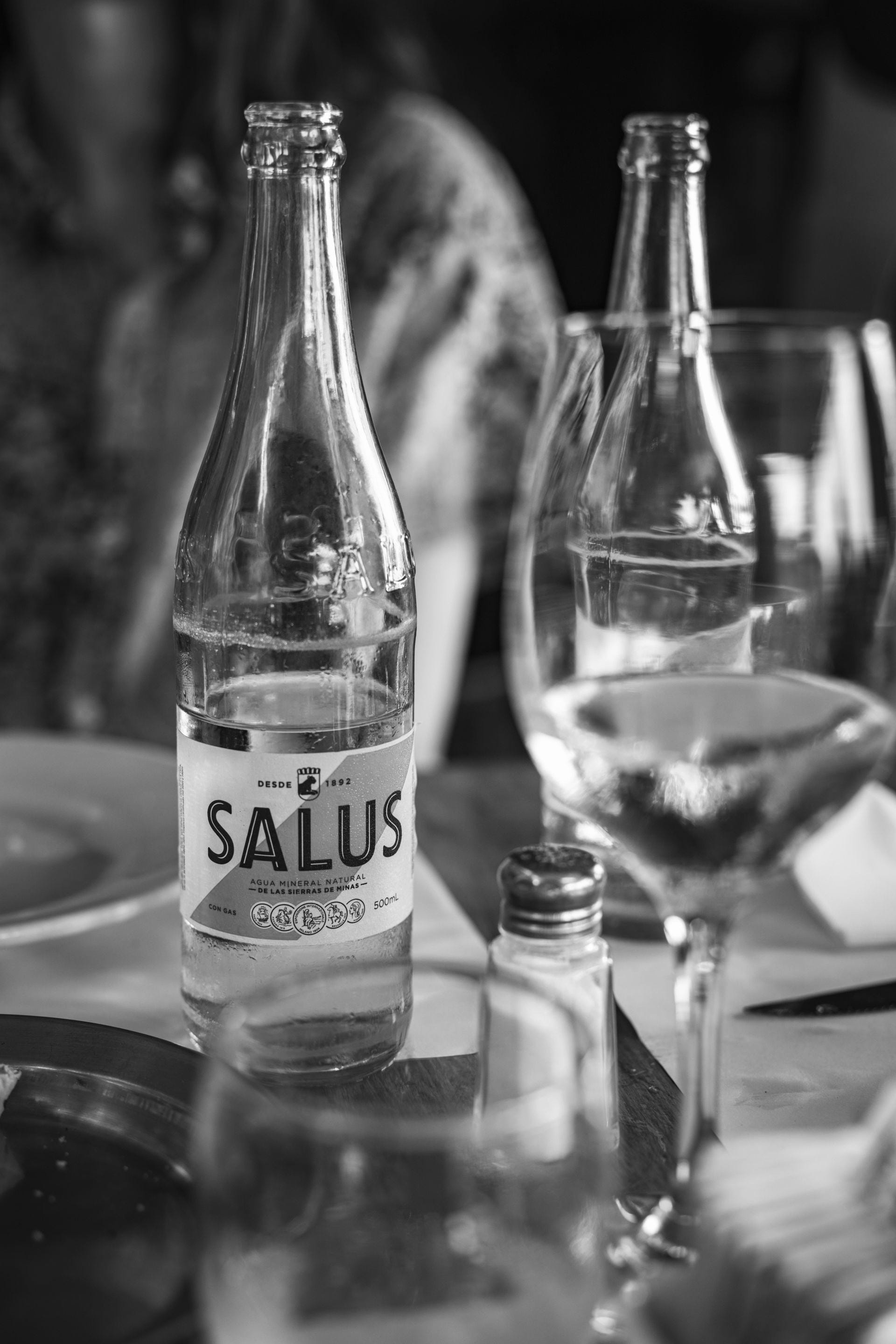
It dawned on me that I had not paid for the water.
It should have been nothing — it was by any measure anyone else would use, nothing — but the realisation sat on my chest like something I’d stolen.
I lay in the dark and it grew. By the time I slept it had stopped being water at all. It had become the thing I was most afraid of being: someone who took what they hadn’t paid for. Someone with a debt; who owed.
I called her the next day to fix it. Something light, already braced — I’d forgotten the water, I’d happily sort it, whatever was easiest —
She laughed. Cheapskate, she snorted.
I paused, then I laughed along with her in the way you do when you don’t know what else to say. Because there was an easy kindness right there, the one she could easily reach for. Don’t be silly. It’s nothing. Forget it. It costs the person saying it nothing at all.
But she stepped around it.
Not because she’d forgotten what owing felt like. She knew exactly what it felt like — she’d felt it herself, on the same side of the wrong tracks, counting the same small sums. She had every reason to be gentle and no need to be anything else. But some part of her preferred the small cut to the easy grace, and always had.
I had phoned her to make something right. She’d heard a chance to make me smaller, and taken it. And I laughed along, the way you laugh when you can’t afford the friction of explaining, and put the phone down, and let it go.
Except I didn’t let it go. Because here I am.
The distance between us opened slowly, the way these things do, and neither of us ever put any words to it.
She still calls. Once, maybe twice a year.
We talk like nothing has changed — easily, in the old shorthand, two kids from the same place. She waxes lyrical about how we really must do this more often, and I agree, and I mean it the way you mean it on a phone call.
But I know what we must do this more often means.
It means I must call. It means the closing of the distance is mine to do, the way it always was — the way I made the pilgrimage to her house every Saturday night, all those years ago, the road only ever running in one direction.
That’s the part I understand now that I didn’t back then: even the love had a direction to it. I went to her, gladly. But it’s a journey I’m not prepared to make anymore.
The calls have thinned already. Once day they may stop entirely. And then those two kids on that sofa, who both came from the wrong side of the tracks, will become someone the other used to know.
I can live with that now. And it’s taken me a long time to mean it.
I love the way this is written @unwell hooks and the attention to detail and noticing of the smaller thing is crystal clear, like the water.
A really good story too and kept me hooked through the end!
Great writing!
This is beautifully observed, and painful in the quietest way. I love how gently you trace the one-way road of the friendship: the visits, the calls, the emotional travel always falling to one side. By the end, the loss feels inevitable.